


Reviving Pastimes: How Arthrosamid Supports a Return to Cherished Hobbies for Those with Knee Osteoarthritis
Introduction
Knee osteoarthritis (OA) can make it difficult to enjoy the hobbies that bring us happiness and a sense of identity, such as gentle photography walks, light hiking, or practising the golf short game. These activities are more than just ways to pass the time—they contribute greatly to our well-being and sense of self. Arthrosamid is a minimally invasive treatment that may help people with knee OA regain comfort and mobility, potentially allowing them to reconnect with the hobbies they love. This article explores how Arthrosamid can enhance quality of life and restore enjoyment in everyday activities.
The Emotional Importance of Hobbies for Those with Knee OA
Hobbies do much more than fill our leisure hours; they provide joy, purpose, and a sense of who we are—especially for those managing knee osteoarthritis. When knee pain and stiffness prevent participation, it often leads to frustration and sadness. Think of someone who loves to take photography walks to capture the beauty of nature, or who enjoys spending weekends focused on their golf short game. Being unable to take part in these activities is not just a physical setback—it’s a loss of joy and freedom. The deep desire to get back to these pastimes speaks to a wish to reclaim that sense of travel-ready knees and rediscover life’s simple pleasures.
How Arthrosamid Supports an Active Lifestyle
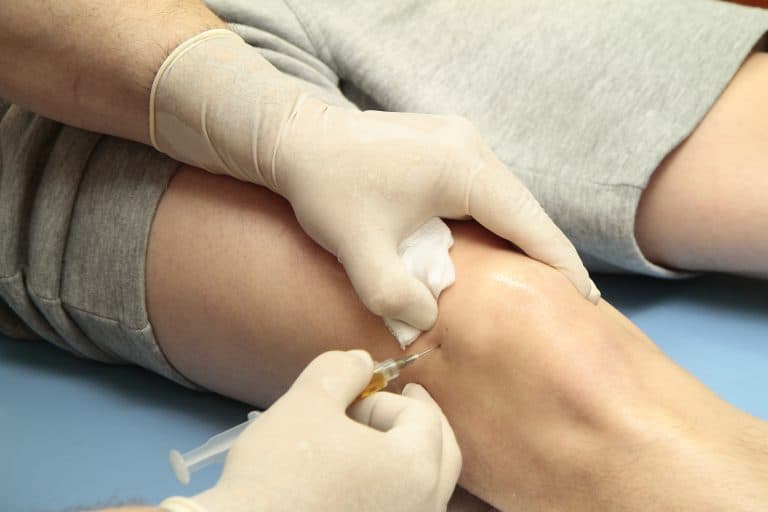
Arthrosamid is a modern treatment involving an injection of a gel called polyacrylamide hydrogel (PAAG) into the knee joint. This gel acts as a cushion and support to the joint, aiming to reduce pain and improve movement gently and effectively. A comprehensive review of available research found that “this PAAG hydrogel seems to be an efficacious and safe treatment option for knee OA and provides positive results for at least 2 years” (Cole et al., 2022). While results can vary from person to person, many who receive Arthrosamid report improved comfort. This often means they can enjoy activities such as light hiking or local photography strolls again, helping to enhance overall well-being and daily enjoyment.
Free non-medical discussion
Not sure what to do next?
Information only · No medical advice or diagnosis.
Stories of Renewed Enjoyment through Arthrosamid
Many people tell inspiring stories of regaining cherished activities after undergoing Arthrosamid treatment. For example, individuals who once struggled with knee pain have gone back to wandering scenic trails with a camera or improving their golf short game at the weekend. The review highlighted that “statistically significant data was identified in two studies at both 52 weeks and 13 months, indicating the efficacy of PAAG hydrogel at one year post injection” (Cole et al., 2022). These experiences underline that Arthrosamid offers more than symptom relief: it can help restore a sense of accomplishment and freedom that enriches everyday life.

Professional Guidance and Support
Returning to an active lifestyle with knee OA is best achieved with the guidance of expert medical professionals. Professor Paul Lee, a respected cartilage specialist and Royal College of Surgeon of Edinburgh Ambassador, is an example of the expert care available to patients. At the London Cartilage Clinic, individuals receive personalised support in a welcoming environment focused on helping them improve their quality of life. Seeking advice from experienced specialists like Professor Lee is an important step towards safely exploring options such as Arthrosamid and confidently returning to favourite hobbies.
Practical Considerations for Those Considering Arthrosamid
If you are thinking about Arthrosamid, it is essential to have an open conversation with a qualified healthcare professional to find out if it’s suitable for you and to understand what to expect. The systematic review also reassures that “injection of PAAG hydrogel intraarticularly into the knee has been shown to be safe with no long-lasting adverse events reported” (Cole et al., 2022). However, it’s important to remember that treatment works best alongside ongoing activity, physiotherapy, and regular medical follow-ups. While there is every reason to be hopeful, individual results can differ, so careful preparation and professional support are key.
Conclusion
Arthrosamid offers fresh hope for those living with knee osteoarthritis who want to regain the joy of their favourite activities. By easing pain and improving mobility, it can help people return to hobbies such as photography walks, golf short game, and gentle hiking—all of which enrich emotional well-being and everyday life. For personalised medical advice, always consult a qualified healthcare professional.
References
Cole, A., Maulana, R. K., Whitehead, J. P., & Lee, P. Y. F. (2022). A systematic review of the novel compound Arthrosamid polyacrylamide (PAAG) hydrogel for treatment of knee osteoarthritis. Medical Research Archives, 10(8). https://doi.org/10.18103/mra.v10i8.2950
Frequently Asked Questions
- Arthrosamid is a minimally invasive gel injection that cushions and supports the knee joint, aiming to reduce pain. Many patients experience improved comfort and mobility, helping them to return to beloved activities like photography walks or golf, boosting overall happiness.
- London Cartilage Clinic is renowned for personalised care delivered in a welcoming environment. Their focus is on improving quality of life for people with knee osteoarthritis. Patients benefit from expert support and ongoing guidance to help regain activity and confidence.
- Professor Paul Lee is an experienced cartilage specialist, serving as Royal College of Surgeon of Edinburgh Ambassador and Advisor. His extensive expertise and dedication to cartilage health make him a trusted leader for patients considering modern treatments like Arthrosamid.
- Receiving care from a highly qualified specialist such as Professor Lee means you get expert assessment and tailored advice. Patients are supported at every stage, with knowledgeable guidance to ensure safe and effective management of knee osteoarthritis, encouraging confident return to activity.
- Research indicates that Arthrosamid injection is considered safe, with no long-lasting adverse effects reported. At London Cartilage Clinic, patients undergo thorough evaluation and receive clear information from experienced professionals, ensuring the treatment is appropriate for their individual needs.
Legal & Medical Disclaimer
This article is written by an independent contributor and reflects their own views and experience, not necessarily those of London Cartilage Clinic. It is provided for general information and education only and does not constitute medical advice, diagnosis, or treatment.
Always seek personalised advice from a qualified healthcare professional before making decisions about your health. London Cartilage Clinic accepts no responsibility for errors, omissions, third-party content, or any loss, damage, or injury arising from reliance on this material.
If you believe this article contains inaccurate or infringing content, please contact us at [email protected].
London Cartilage Clinic
Modern treatments, designed for lasting knee outcomes
Every treatment plan is selected to help you return to the quality of life you deserve. Our team combines up-to-date techniques with consultant-led decision making across cartilage repair, regeneration and replacement.
What your journey can look like
Step 01
Consultant-Led Assessment
Symptoms, imaging and goals reviewed in one structured appointment.
Step 02
Personalised Treatment Plan
A clear route chosen from repair, regeneration or replacement options.
Step 03
Precision Delivery
Modern techniques and specialist equipment matched to your diagnosis.
Step 04
Long-Term Knee Health
Follow-up guidance focused on durable function and quality of life.
Will the Arthrosamid work for me
PAAG-8+ Questionnaire
A bright, structured entry point for patients exploring Arthrosamid. The questionnaire helps frame suitability, expectations, and 24-month clinical benefit discussion before a fuller consultant-led review.
Designed for shared decision-making. It does not replace specialist consultation, examination, imaging review, or formal medical advice.